Furnace repair deposit in Toronto. What to confirm before the part is ordered
Only have 30 seconds?
- Ask which part the contractor proposes and who verified compatibility with your furnace.
- Get the deposit amount, remaining balance and cancellation terms in writing.
- Confirm whether the arrival date is an estimate, who will update you and how a change in price will be approved.
- Visit the FurnaceFor.homes homeowner guide for more help planning a service call.
Start with the decision you are being asked to make
After a diagnostic visit, a contractor may say the next step is to order a part. They may ask for payment toward the purchase before they place the order. Before accepting, establish whether the proposed work is a definite repair, an option that still needs confirmation, or a purchase for which the technician has already verified the correct part. Each calls for a different level of commitment. A conversation on the doorstep can establish the next step. The written estimate records what you have actually agreed to.
Ask the technician or office to put the finding into ordinary language. What did they observe, which part do they propose replacing, and what work is included once it arrives? If there are still questions the technician can only answer later, ask whether any of them could change the selected part or the price. A proposal that says “part needed” may still have details to resolve before ordering. The furnace quote questions explain how to separate a diagnostic decision from authorization to repair.
Keep the furnace model and the proposed part together in the same record. If the company expects to use a replacement part with a different identifier because the original is no longer made, ask how it verified that the replacement suits your equipment and who assumes responsibility for ordering it. You are asking for the contractor's identification of the part and the scope they are taking responsibility for. You can use that description if another person in your household needs to review the estimate.
Ask how the deposit applies to the total
A precise estimate makes it possible to see where each payment goes. Ask the company to list the diagnosis, parts, labour, return visit, any shipping or handling, and applicable taxes. If two items are grouped, such as the part and its installation, ask whether they can clarify how the deposit is applied to the grouped price. Ask for the amount due today and the amount expected after the repair. The numbers should tie back to the same written scope.
For example, a made-up estimate might show a $600 repair total, a $180 deposit applied to that repair, and $420 due on completion. In that example, if you previously paid a $125 diagnostic fee and the estimate says it is separate, it remains a separate payment. If the company says the diagnostic fee is credited toward the repair, ask it to show that credit and the balance on the paperwork. These figures illustrate how the calculation works. Use the amounts, taxes and terms from your actual estimate.
Ask for a receipt when you pay. It should make it easy to identify the company, property, payment amount and job it belongs to. Keep a copy of the scope and the payment record together. If someone else is paying on your behalf or handling the booking, make clear who receives the receipt and who has authority to approve a future price change. A contractor call to a family member who can admit the technician may need to be followed by a separate call to the person who can authorize work.
Get the timing and cancellation terms in writing
Before ordering, ask whether the part is in stock, expected from a supplier, or quoted without a confirmed supply date. A warehouse estimate and an installation appointment can be separated by shipping, inspection and the contractor's schedule. Ask who will contact you after the company confirms availability, when you should expect the next update and whether you need to be home for a separate return visit.
Discuss three possible outcomes while you have the leverage to decide whether to authorize the order. First, the company may learn the part is unavailable before placing the order. Second, the part may already be ordered when the supplier changes the delivery date or indicates it cannot fulfil the order. Third, the part may arrive and turn out to be unsuitable. Ask how the company handles the deposit, any fees and the next decision in each situation. The terms may differ depending on the part and supplier. Record the answer from your contractor.
Also ask what happens if you decide to stop the repair after the order is placed. Does the company distinguish between a standard in-stock part and one it says is a special order? If a fee or deduction could apply, ask what triggers it and how the amount is calculated. If you are unsure how the written terms apply to your circumstances, check Ontario's consumer information on home repairs. Treat a refund statement as part of your agreement and ask for it in writing before paying.
Decide who can approve a change
A new finding after the part arrives may change the work. Ask the company to contact the person who can approve an updated scope and price before going ahead with additional work. Agree on how they will do that if the person will be at work or away when the technician attends. Someone who will be home can explain access or describe symptoms. They can refer approval questions back to the named decision-maker if that is how the household wants to handle the visit.
An updated quote should identify what changed. For instance, a supplier might offer a different part at a different price, or the technician may find that the original repair scope needs a second component. Ask how the initial payment will be applied to the updated estimate and what happens if you decline the new proposal. Read the revised total and what it includes before deciding. The repair or replace guide can help if the new quote warrants a broader decision about the furnace.
If the work is for a rental or a property someone else manages, establish who can pay and authorize it before the company orders anything. A tenant's ability to give the technician access and the authority to instruct the company to purchase a part may belong to different people. Send the estimate to the person who can decide and give the contractor their contact details with permission. Confirm who will receive updates if the timeline changes so the person who lives there is kept informed.
Confirm the return visit and property access in Toronto
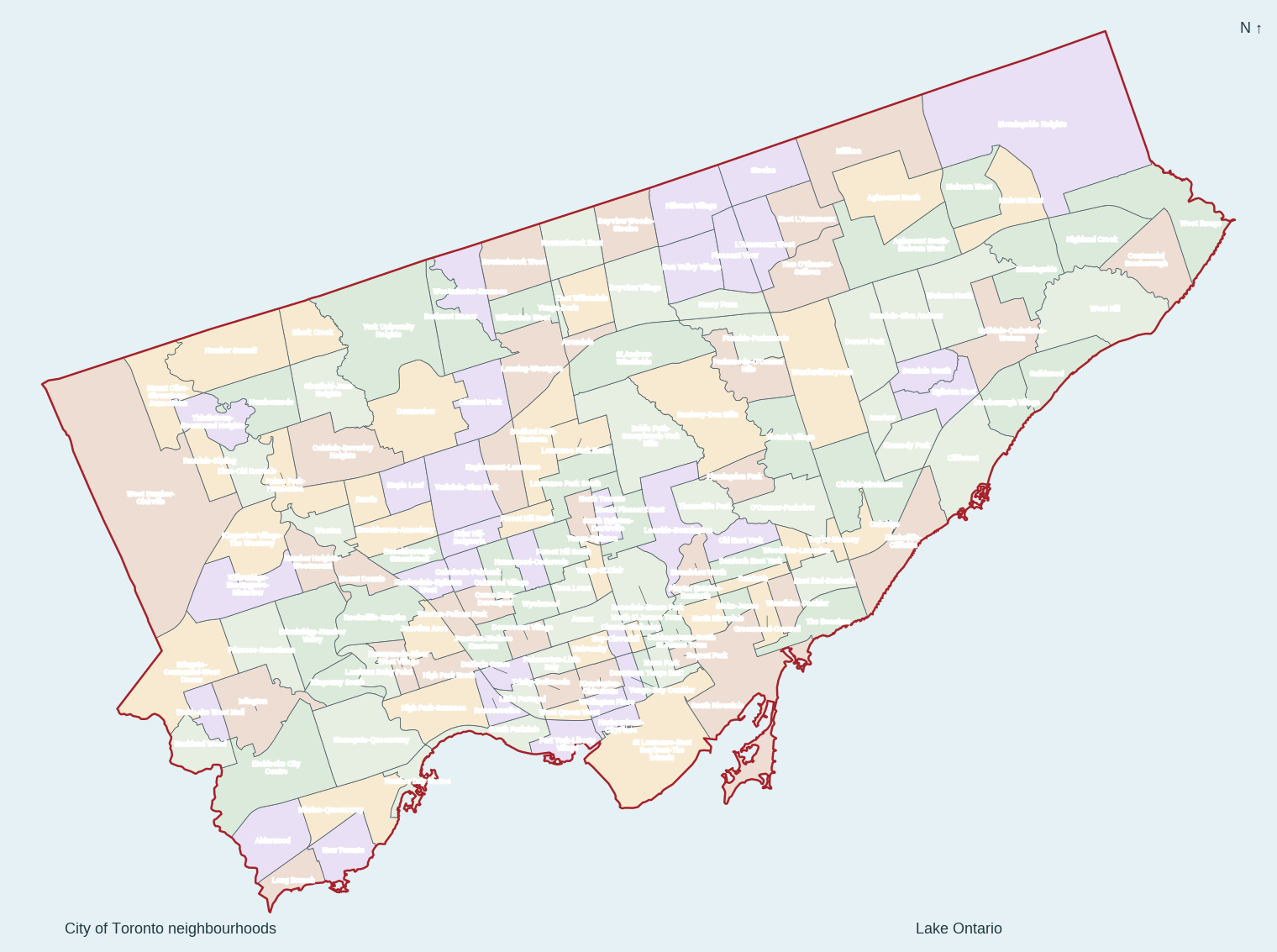
The return visit may need a different technician or more time than the diagnostic appointment. Give the service company the complete Toronto address, including the unit where relevant, postal code, nearest cross street and any access instructions. Use the labelled Toronto neighbourhood map for orientation. It includes all 158 official neighbourhoods. Confirm the actual service area and address with the company before paying.
- Parking and loading. Tell the company about the approved place to stop, any visitor procedure and the route from the vehicle to the correct entrance. A rear lane may be easier for equipment in one property and inaccessible in another.
- Accessibility. Describe steps, restricted doors, a narrow equipment route or a building requirement to escort contractors. Check who can open the equipment room and keep the needed path clear.
- Arrival and handoff. Confirm who can admit the technician and who can answer questions about the quote. If the front door is on a different street from the usual approach, name the usable entrance in the visit notes.
If the furnace has been taken out of use by a technician or utility, keep that restriction in place while waiting. Ask the attending company what to do if the timeline changes and who to contact if you need a different plan. The person offering the part may be able to provide an update on stock, but the qualified technician responsible for the equipment can address instructions about use. Do not attempt to bypass a safety restriction to get through the waiting period.
Compare two estimates that handle the money differently
Imagine one contractor says it needs a deposit before it orders the part and provides a date for checking with the distributor. Its written scope states that the deposit will reduce the final repair balance. The other says it can order the part without a deposit but charges a separate return visit when it installs it. Comparing only what is due today hides the total price, the timing difference and the risk if either proposal changes.
Put the two proposals side by side by scope. For each, record the proposed part, total repair price, prior fees and credits, amount due immediately, remaining amount and conditions for charging more. Identify the return visit and ask what happens if a different part is needed. If the company cannot confirm availability yet, ask when it will update you. You can then compare money and timing together using the same questions for both companies.
A quote can also be unclear about whose warranty applies after the installation. Ask whether the company provides separate written terms for the part and the installation labour, who handles a claim and whether the receipt or invoice will identify the part installed. Save those terms with the estimate. They may be useful later if the new part is supported by one company and the installation by another.
A message you can send before paying
“Please confirm the part you intend to order and the repair total, including the return visit. What amount is due before ordering, how will it be credited, and what balance will be due on completion? If the supplier delays or cannot supply the part, or if it arrives and is unsuitable, please explain what happens to the deposit and who will contact me. Send any revised scope or price for approval before adding work.”
When you receive a reply, check that it answers the items that actually affect your decision. You should be able to tell what the company will order, when the money is due, how it will show up on the final invoice and who will call if the plan changes. Keep that exchange with the receipt and service notes. It gives you a reference during the wait and a way to check that the final bill reflects the repair you authorized.